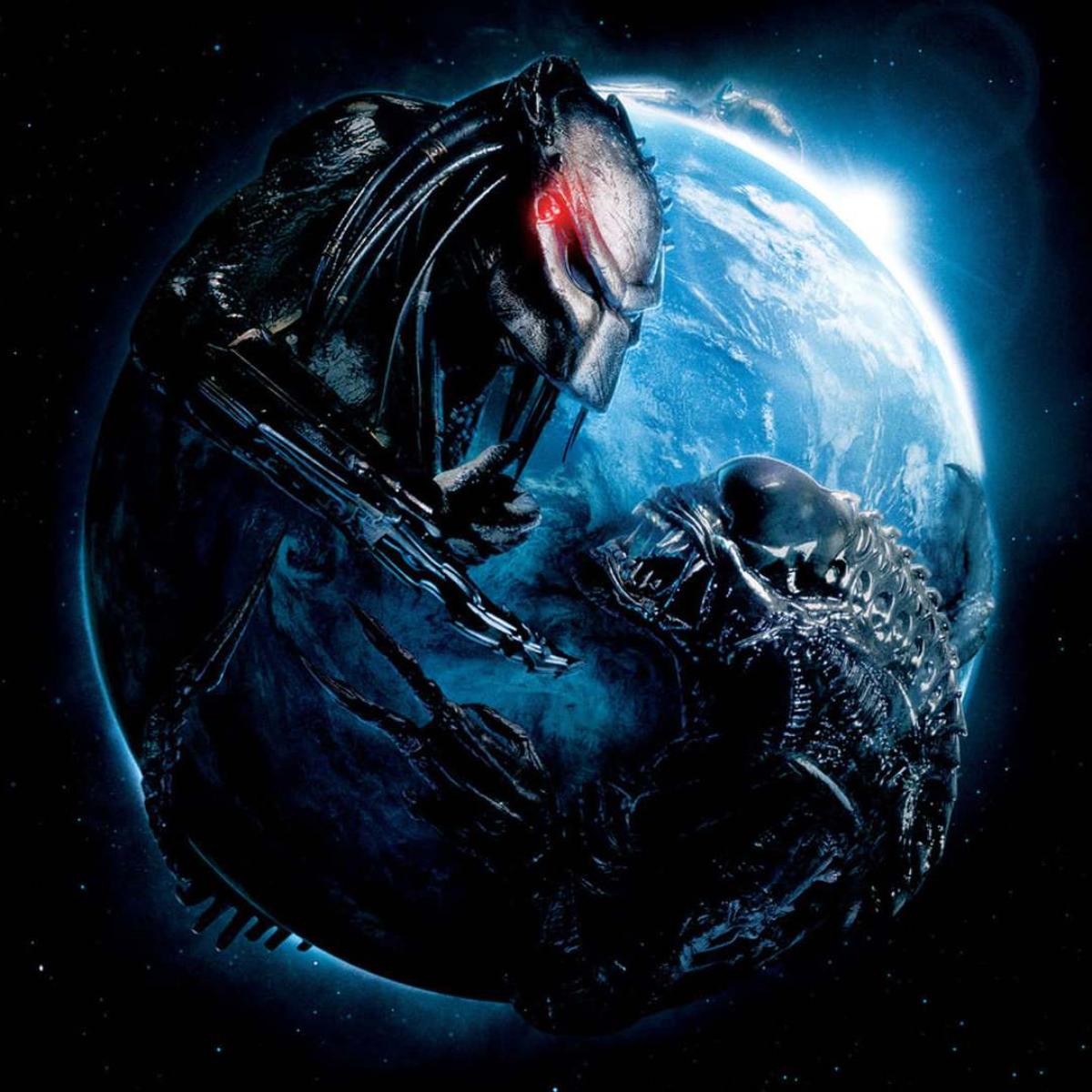
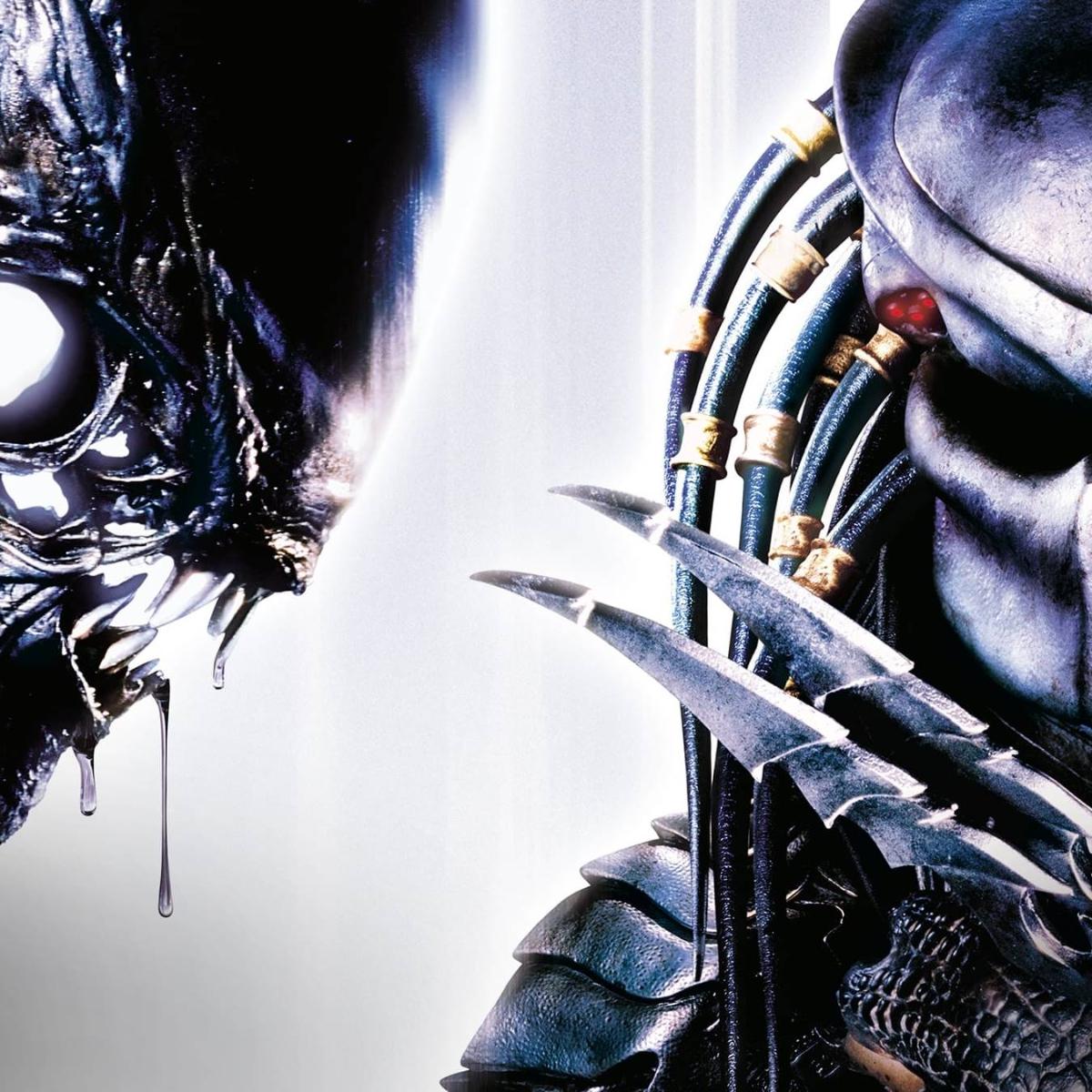
The Predator franchise gets back to basics.
There’s an undeniable energy to Prey; not the thunderous, explosion-happy kind that’s plagued the Predator franchise for decades, but a quiet, charged tension born of craft, intelligence and purpose. Director Dan Trachtenberg strips away years of irony and escalation to rediscover the primal concept that made the original Predator so thrilling: the terror of being hunted by something you can barely comprehend; only this time the jungle’s been traded for the sweeping Great Plains of 18th-century America.
Amber Midthunder’s Naru, a young Comanche woman determined to prove herself as a hunter, gives Prey its focus with a mix of fierce resolve and piercing vulnerability, and it’s through her eyes that the familiar mythology feels reborn. She doesn’t know what this alien creature is: there’s no military jargon, no testosterone-fuelled banter, just instinct and observation. Midthunder’s performance is riveting in its restraint, her every movement and glance carrying the alertness of someone who knows the forest is always watching back.
The film’s success lies in how it reclaims Predator as a story about cunning, not firepower. Trachtenberg stages the encounters with clarity and patience, letting the environment breathe and the suspense coil tighter with each moment. The creature itself, rendered through practical effects and measured CGI, feels once again like a presence rather than a prop, and the decision to show an earlier version of the Predator, a hunter learning its own methods, cleverly mirrors Naru’s arc, making their inevitable clash feel like evolution in motion.
The cinematography transforms the natural landscape into something mythic: shafts of light cutting through mist, the rustle of grass doubling as warning, blood and mud mingling into primitive beauty. Composer Sarah Schachner’s score leans on percussion and melody rather than the blaring orchestration of later sequels, echoing the natural world and giving Prey a tone that’s both lyrical and brutal, mimicking the tension between nature’s beauty and its indifference.
It’s tempting to call Prey a reboot, but that misunderstands its achievement. Trachtenberg isn’t discarding what’s come before; he’s redefining it and strengthening its roots. By taking the franchise back to basics: a hunter, the hunted, and the silence between them, he manages to make an old monster frightening again and proves that innovation doesn’t always mean escalation.