You either die in the hunt, or live long enough to become the hero.
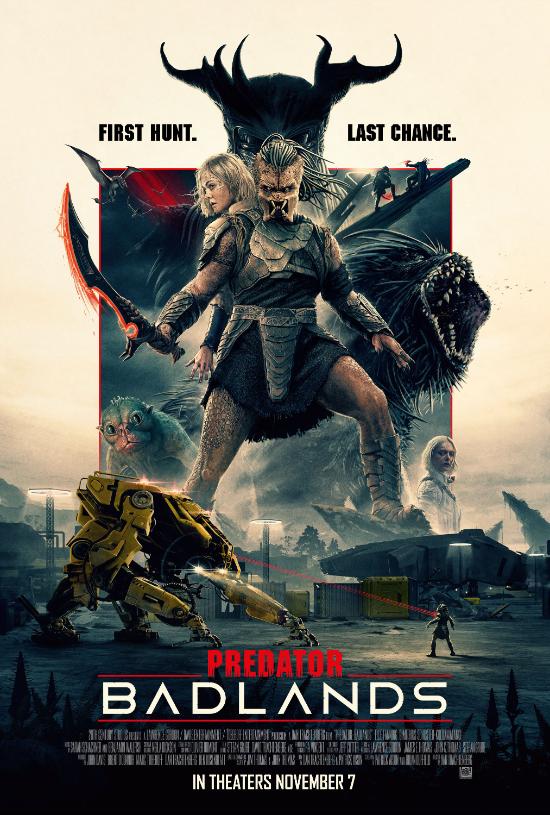
Predator: Badlands opens on the homeworld of the Yautja (the name of the Predator race coined in the novelization of Alien vs Predator and officially canonised in the opening of Predator: Killer of Killers but that will never catch on with mainstream audiences), where Dek (played by Dimitrius Schuster‑Koloamatangi) practices hunting against his brother.
Dek, a low‑ranking Yautja and the runt of his tribe is disdained for his size and weakness but when their tribal leader demands Dek be executed, his brother sacrifices himself to save the youngster, sending him careering away in a Predator spaceship to crash land on the savage planet Genna, where Dek believes that the only way to restore his honour and avenge his brother is to hunt and kill the unkillable Kalisk, a creature of legend amongst the Yautja and, coincidentally, of interest to the Weyland Yutani corporation as well.
Director Dan Trachtenberg, who has been stewarding the franchise since 2022, first restoring its credibility with Prey and then experimenting with form in Killer of Killers takes his biggest swing here, plunging audiences deeper into the lore than ever before while flipping the script on everything the franchise has been about by centring the story and the perspective on the predator himself, a reversal that changes the texture of the entire movie. Dek’s fight isn’t only physical, it’s existential and failure carries stakes higher than death. It’s a bold choice, aligning the viewer with a Predator clan under pressure, and inviting empathy for a warrior race we’ve typically only seen as monsters.
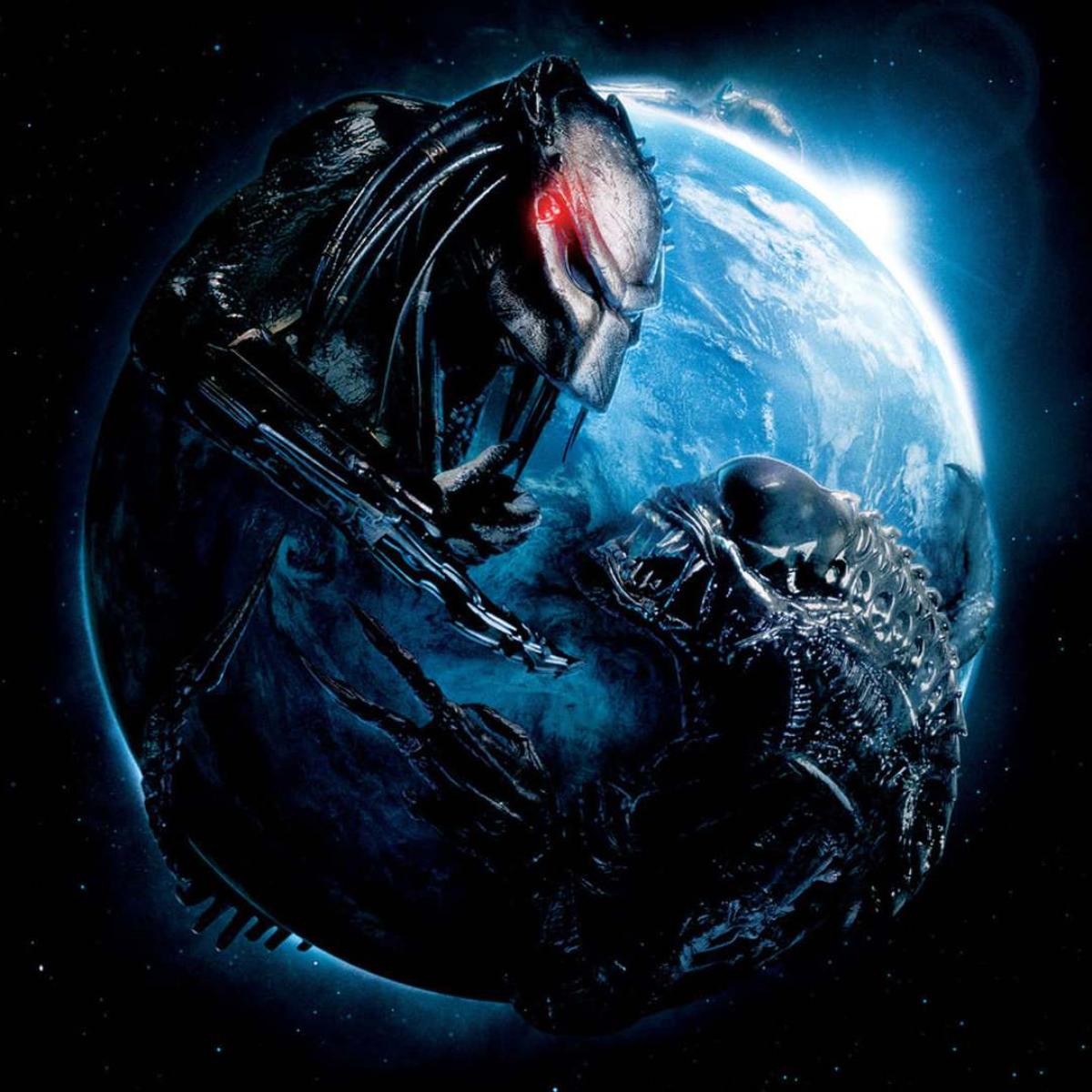
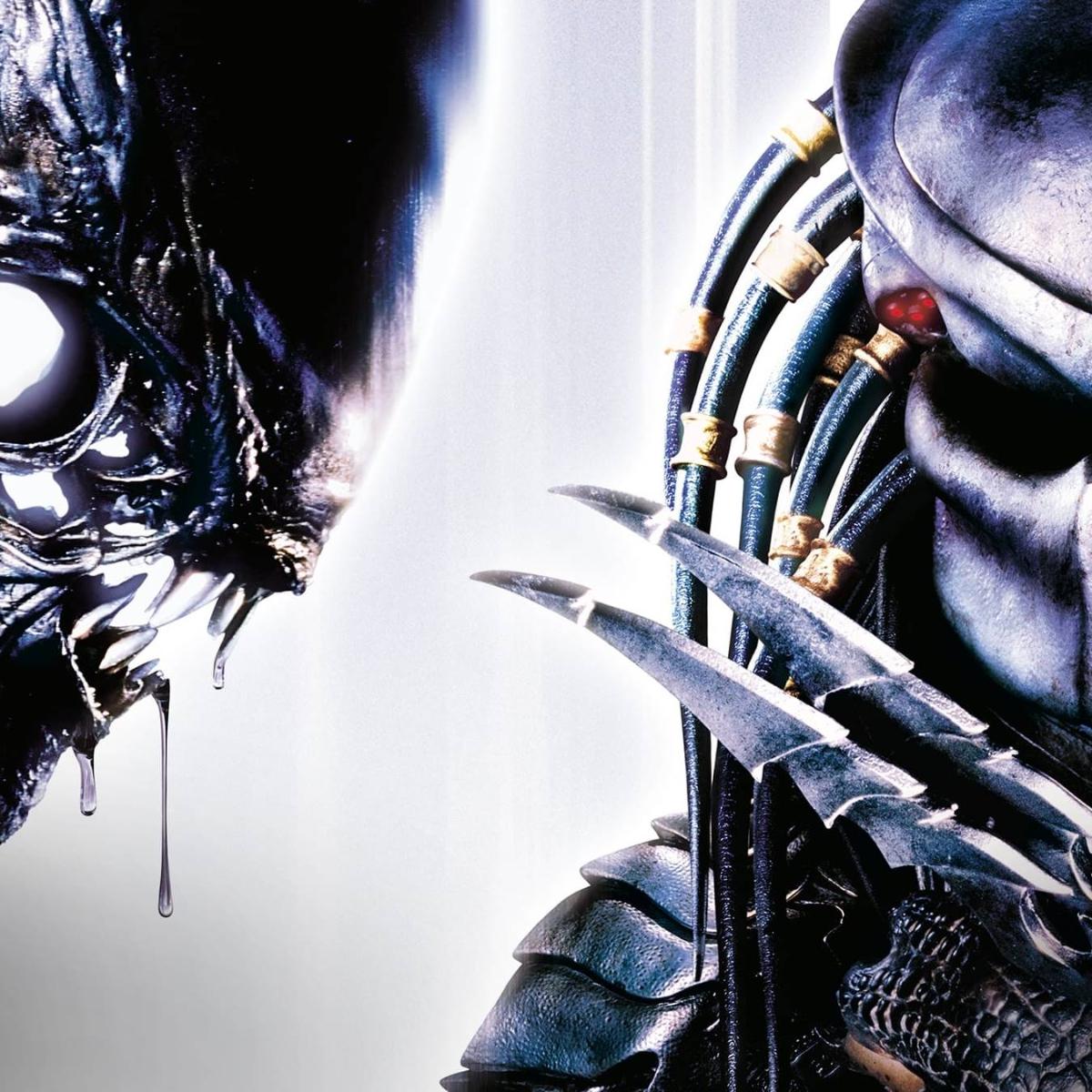
Alien vs Predator may have been a clumsy cash-grab but it lays the groundwork here for Trachtenberg’s inclusion of Weyland Yutani synthetics as the film’s nominal adversaries – if you don’t count the murderous flora and fauna of Genna. One of those synthetics, Thia, isn’t quite a villain though, in fact she’s half way – literally – to being a hero as she links up with Dek and a cute little critter dubbed Bud to find her way back to her mission. Programmed for curiosity, her wonder at the world around her sees her tap in to a sense of autonomy, empathy, and morality that likely wasn’t intended when MU/TH/UR programmed her and her twin “sister” Tessa. Fanning does a fantastic job in the dual role, giving Thia a sense of optimism that never seems naïve, while Tessa ruthlessly cold calculations earn her a place alongside the most mendacious and callously efficient androids from the Alien movies.
The lethal ecology of Genna functions as more than backdrop, the planet’s lifeforms offering hostility not just for spectacle but as narrative logic, with the Kalisk’s threat not just as an arbitrary MacGuffin but as the apex of a world fighting its invaders. Dek must apply his Yautja training in a terrain that doesn’t respect it; what weapons he still has are useless until he learns the rules of this new world, something that he reluctantly begins to rely on Thia to do.
The classic Predator formula sold on the visceral thrill of humans versus alien hunter; here the subtraction of humans removes the familiar vantage point even if the formula remains the same: weapons and equipment systematically dismantled until the only thing that offers a chance of victory is understanding and utilising the resources of the natural world around you. The corporate subplot – Weyland‑Yutani seeking to weaponise the Kalisk – is more Alien than Predator in its inspiration but it’s more than a cameo. It’s a link back to the broader Alien/Predator universe that feels both purposeful and promising. With Alien trapped in a navel-gazing ouroboros of self-referential prequels, it feels like Predator is readying itself to finally move the universe forward.
There’s much been made about the softening of the violence that’s led to a more wide-audience friendly rating but that’s more to do with the absence of actual humans than in a taming down of the frequency and brutality of the actions. There’s plenty of blood spilled, never fear, it’s just that it’s fluorescent green, gooey yellow or milky white instead.
For all its subversion of the franchise’s tenets, there’s a conventionality at the heart of Predator: Badlands’ storytelling. The deep cut crash course in Yautja culture that opens the movie had even me fighting the urge to yell “Nerd!” at the screen, Homer Simpson style and you’ve seen the outcast warrior, strange alliances and epic final battle set-up and execution dozens of times before. Luckily, it’s done with enough style, spectacle and humour – much of it from Elle Fanning’s what-AI-wishes-it-could-be android – that the familiarity feels comforting rather than creatively lazy.
With Predator: Badlands, Trachtenberg is showing how to resuscitate a legacy franchise successfully, not by retreading but by evolving. The Yautja mythology might be a bit dense for your casual multiplex crowd but it shows it has room for introspection, cultural conflict and alien ecology, rather than only trophy hunting and bloodlust. For those willing to follow Dek into extra-terra incognita, it offers a Predator story that is sharp, fresh and familiar at the same time.